 Rome Colosseum Underground Tours
The Colosseum Hypogeum: The Machine Under the Arena
Last reviewed September 2026
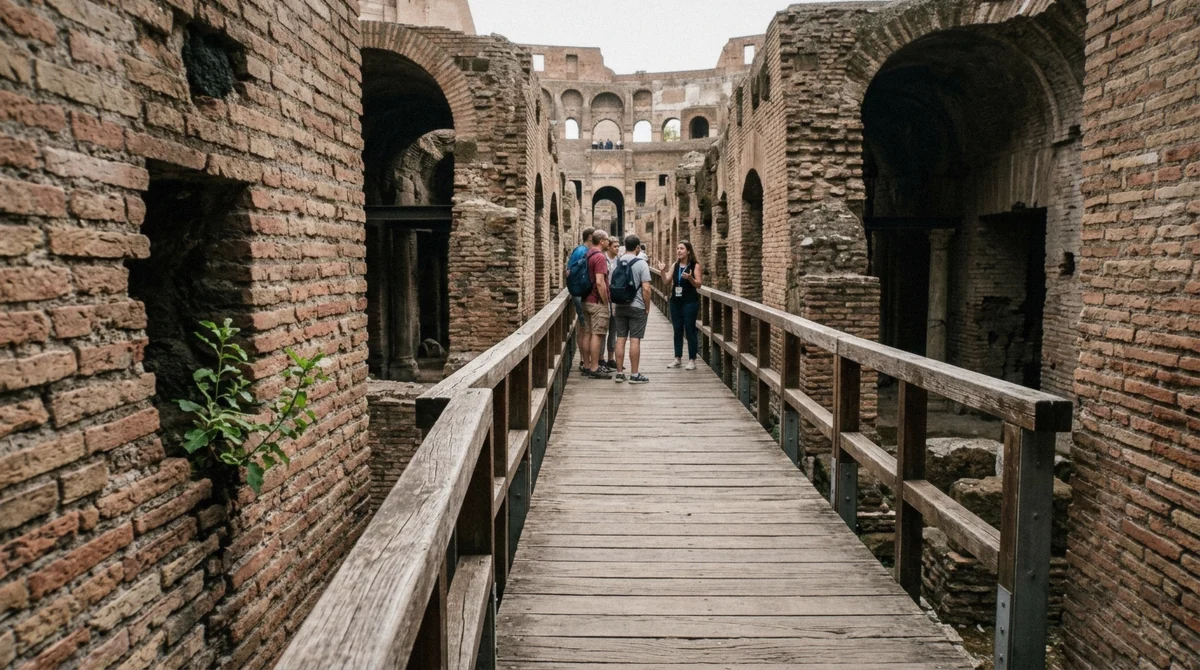
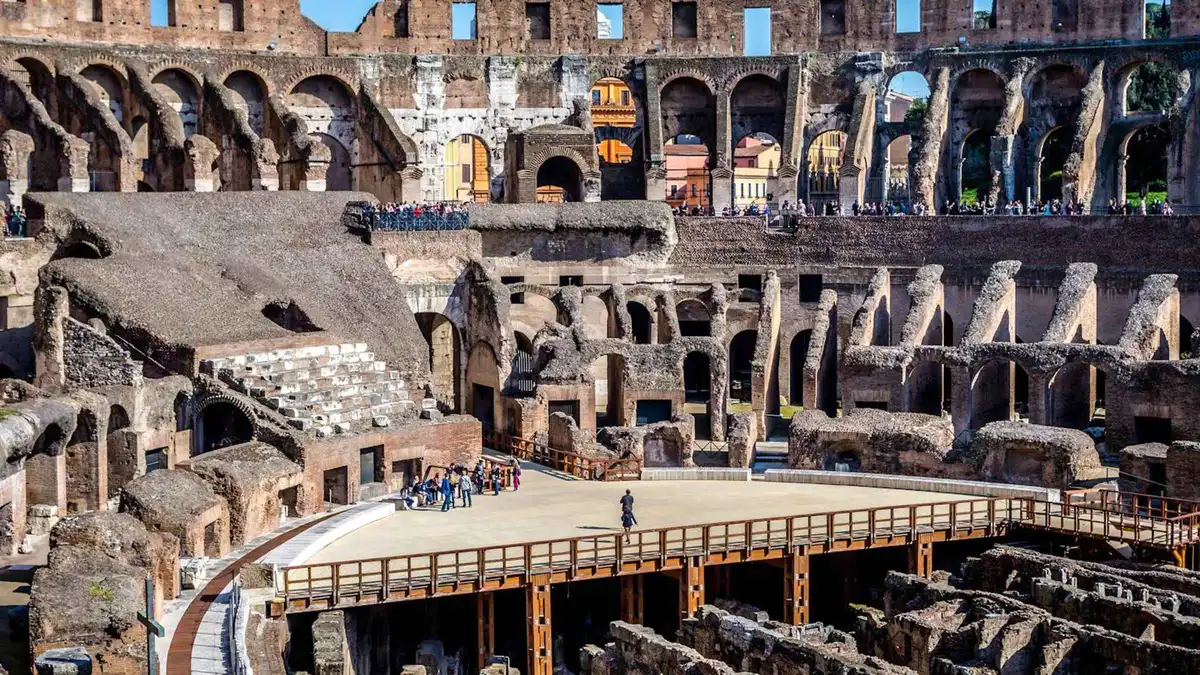
The Colosseum hypogeum is the two-level network of brick corridors beneath the arena floor — the part of the building the audience was never meant to see, and the part that made everything above it possible. It was not in the original design: Domitian had it cut in after the inaugural games, and its walls carry at least twelve separate phases of rebuilding. Every tour that reaches the Colosseum hypogeum shows which of those phases you walk past.
Quick answer What the tunnels did, and what is left to look at
Two levels of service galleries under the arena, holding the cages, the props and the people waiting to appear. Eighty vertical shafts ran up to trapdoors in the floor above, each with a hoist; bigger animals came up on hinged platforms called hegmata. The arena they served measured 83 by 48 metres and the building held somewhere between fifty and eighty thousand people. Today you walk a 160-metre raised route through the brickwork, opened in June 2021 — when a slot can be had.
Key takeaways
- Added under Domitian after the opening games; at least twelve building phases are visible
- Eighty shafts and hoists, plus the larger hegmata for big animals
- Excavated in stages from 1810; fully exposed in the 1930s; opened to visitors in 2010
- The full 160-metre walkway opened in June 2021 after a two-year restoration financed by Tod's
- It is humid and enclosed rather than cool — not an escape from the Roman heat
- The arena floor above looks straight down into it — the Colosseum underground tours are compared here
The Essentials
Structural and historical figures from the standard published record; access details read from the Park's own ticket shop on 5 September 2026.
- What it is Two-level subterranean service network beneath the arena
- Built Under Domitian, after the inaugural games of AD 80
- Rebuilds At least twelve construction phases visible
- Vertical shafts Eighty, each serving a trapdoor in the arena floor
- Large-animal lifts Hinged platforms known as hegmata
- Arena above 83 × 48 m
- Audience Estimated 50,000–80,000; an average crowd is put near 65,000
- Excavation Partly 1810–1814 and 1874; fully exposed in the 1930s
- Opened to visitors Summer 2010; full 160 m walkway June 2021
- Restoration Two years, 80+ specialists, financed by Tod's
- Visiting €24 Full Experience – Underground and Arena, timed, escorted groups of 25
- Conditions Enclosed, humid, uneven brick and steps
- Checked 5 September 2026
How the Machine Worked
Reading the hypogeum as machinery rather than ruin is what turns forty minutes of corridors into the best thing you do in Rome.
The galleries
A central corridor runs the long axis of the arena with transverse galleries branching off it, on two levels. Cages, scenery and equipment were staged here, out of sight, and moved along the passages to the point in the floor where they were needed.
The brick you are looking at is not one building. Twelve or more phases of alteration are visible: openings blocked and recut, floors raised, walls thickened as the machinery changed.
Eighty shafts and their hoists
Each shaft carried a lift worked by a capstan and counterweights, delivering an animal or a piece of scenery through a trapdoor into the middle of a spectacle. Eighty of them, working simultaneously, is an industrial rather than theatrical scale.
Where the shafts survive you can still read the slots the guides ran in, and the wear where ropes crossed the brick. This is the detail worth asking your guide to point out; it is easy to walk past.
The hegmata
Larger creatures needed more than a shaft. Hinged platforms — hegmata — lifted them on a ramp arrangement that delivered the animal at floor level rather than dropping it through a hole. The engineering problem is obvious once you are standing under it: a bear does not cooperate with a trapdoor.
What You Actually See Today
The walkway
A 160-metre raised deck runs through the galleries, put in during a two-year restoration by more than eighty archaeologists, engineers and restorers and financed by Tod's. It opened in June 2021 and it is the reason the underground can be visited at all in groups: it protects the excavation and defines a route.
Groups of twenty-five walk it with an escort, which is why the Park can sell only 425 places a day.
The conditions
Enclosed, humid and warmer than people expect — the notion of going underground to escape the Roman summer does not survive contact with the hypogeum. The floor is uneven brick and the route has steps. Closed shoes, water, and no illusions about it being a cool break.
Photography is allowed, but the corridors are dark and narrow and phone images flatten them badly. Look rather than shoot.
Why it opened so late
The tunnels were dug out in stages from 1810 and fully exposed under Mussolini in the 1930s, but visitors were kept out for most of a century — an excavation in the open air, filling with water and vegetation, is a conservation problem before it is an attraction. Limited access began in 2010; the full route is four years old.
That recency is part of why the demand outruns supply so badly: the hypogeum is, in visitor terms, a new attraction inside the most visited monument in Italy.
Seeing It — Or Seeing It From Above
From below
The €24 Full Experience – Underground and Arena ticket is the official route, when a slot exists; the count on the Park's calendar says it usually does not. Operator quotas are the practical alternative, and group size is what to compare — the tours whose inclusions name the hypogeum are listed below.
- Book as far ahead as your dates allow
- Arrive 30 minutes before the printed time — the Park requires it
- Groups run to 25; the small-group tours cap at six or seven
- Bring the passport whose name is on the ticket
From above
From the arena deck, and even from the second tier, the hypogeum is fully open to view: the spine, the transverse galleries, the shafts. You lose the ceiling height and the enclosure, and you keep the plan — which is what makes the machine legible. If no underground slot exists, the arena floor is not a consolation prize so much as a different angle on the same thing.
Ticket names, prices and conditions in this section were read from the Parco archeologico del Colosseo's own shop, ticketing.colosseo.it, on 5 September 2026.
Tours That Enter the Hypogeum
Listings whose own inclusion lists name the underground rather than the arena floor. Prices, ratings and review counts are the operators' own, read on 5 September 2026.
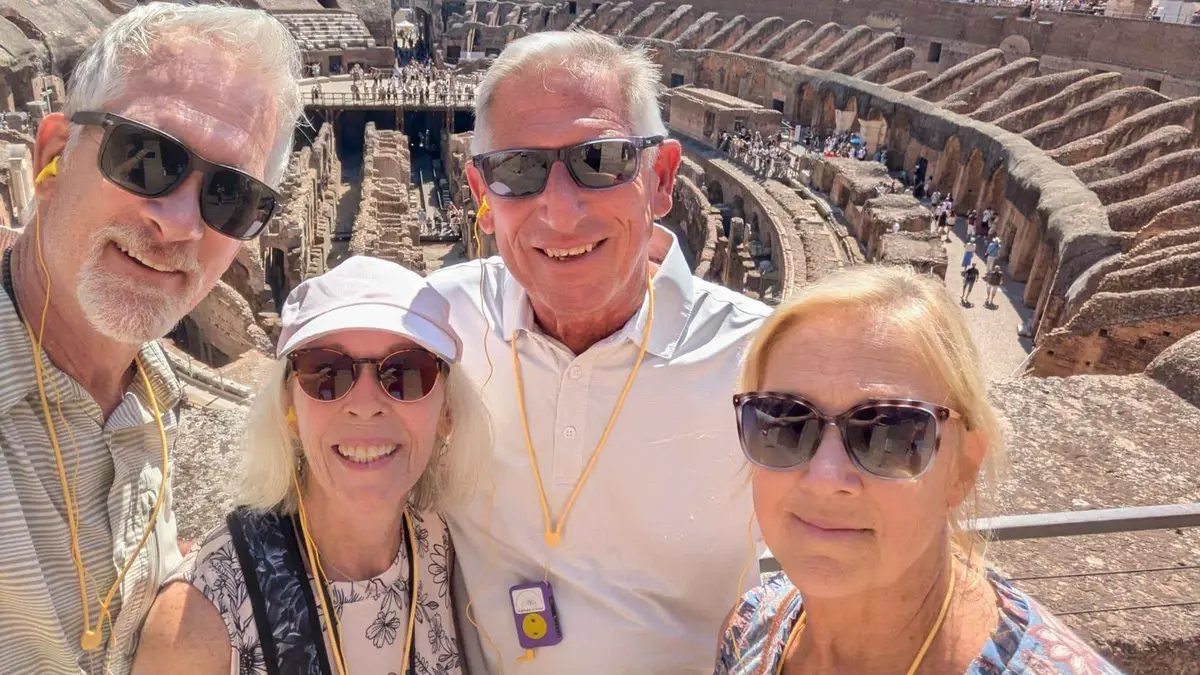
Rome: Colosseum, Underground, Roman Forum, & Palatine Tour
The hypogeum, the arena, the Forum and the Palatine in one booking, with seven people maximum and no option to select — the underground is in the price. It carries the highest rating of any underground listing here, on a small review base.
- Cancellation
- Free cancellation up to 3 days
- Operator
- Highlights
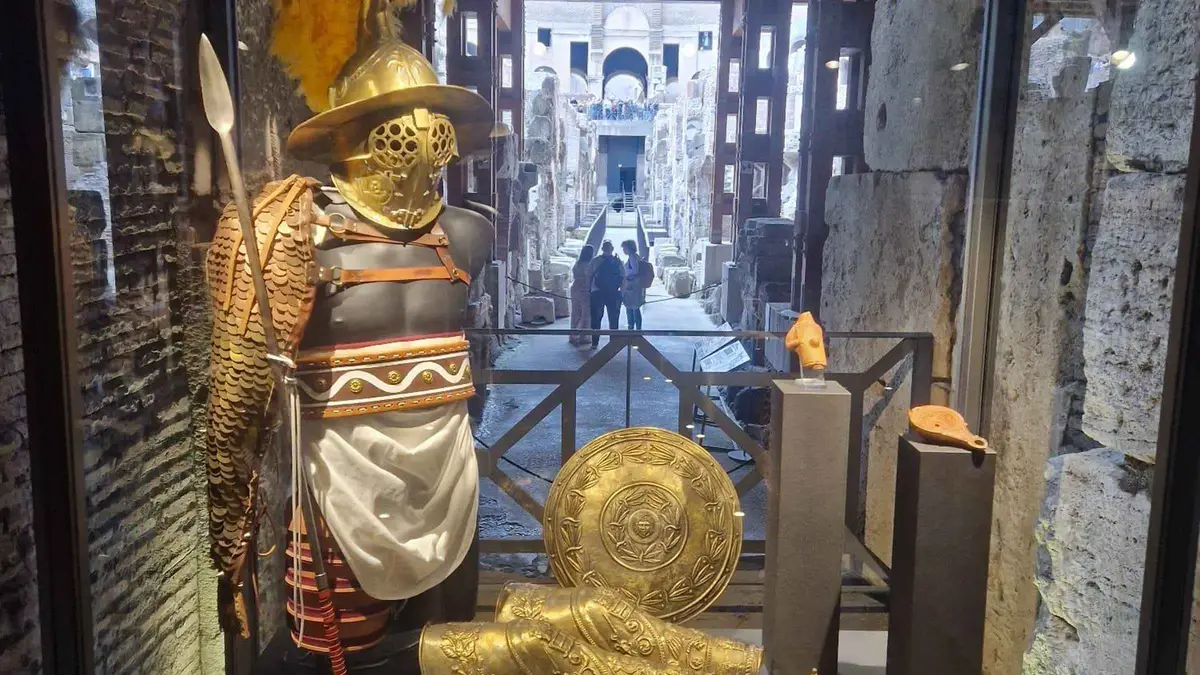
Rome: Colosseum Arena Floor or Underground Tour
Two options under one listing, and the operator spells out the difference rather than blurring it: the Arena Floor option does not include the underground, the Underground option adds the hypogeum tunnels and caps the group at seven. Ninety-six percent of English-speaking travellers rated it five stars.
- Cancellation
- Free cancellation up to 3 days
- Operator
- RomanGuides
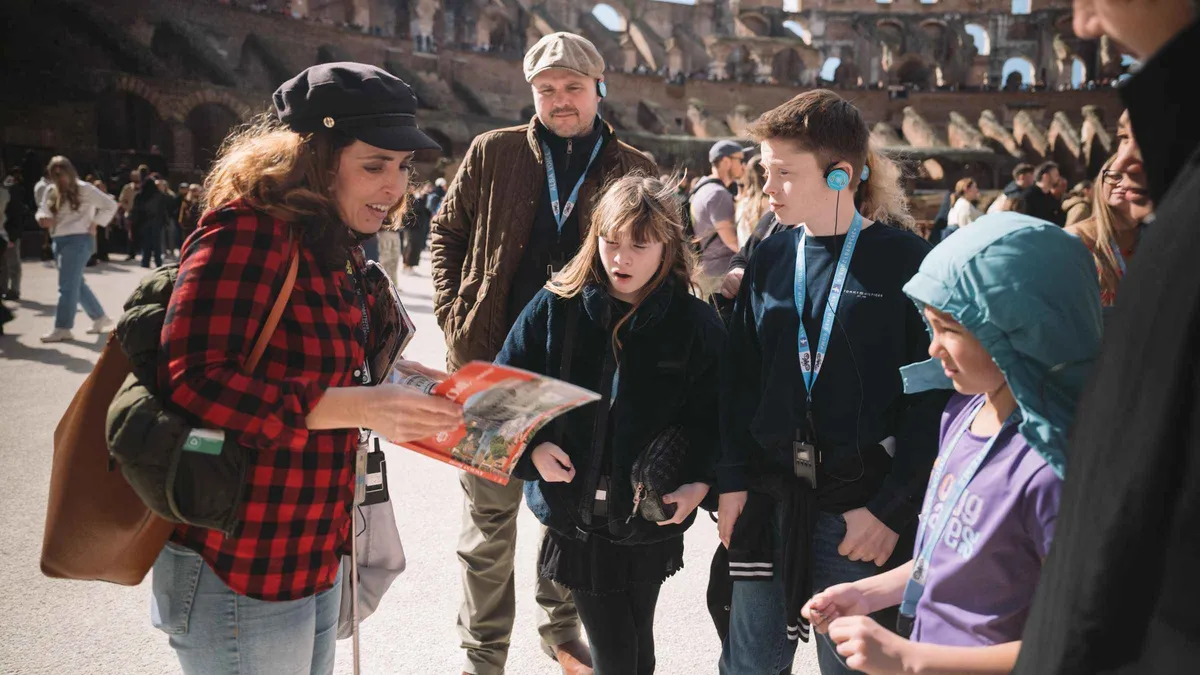
Colosseum Underground Dungeons Tour or Gladiator Floor Tour
The listing sells two routes and its own inclusion list is blunt about it: the underground is there only if you select the underground option. Free cancellation runs a full week out, which matters when the slot is the scarce part.
- Cancellation
- Free cancellation up to 7 days
- Operator
- Let's See Italy
Rome: Colosseum 3-In-1 Tour with Underground Option
The most-booked listing with an underground option, and the one most often misread. Its own inclusions say access to the underground dungeons or the arena floor, and that you must select which — a booking that gives one level, not two.
- Cancellation
- Free cancellation up to 7 days
- Operator
- Let's See Italy
Hypogeum Questions
What does hypogeum mean?
Literally "underground" — the term for the service level beneath an ancient arena. At the Colosseum it means the two-level network of corridors, cages and lift shafts under the arena floor.
Is the hypogeum cooler than the surface?
No. It is enclosed and humid, and visitors regularly find it warmer than they expected. Closed shoes and water matter more than a jacket.
How long is the underground visit?
The walkway route is about 160 metres and groups move at the escort's pace; allow roughly 40 minutes underground within a longer visit to the monument.
Can I visit the hypogeum without a tour?
Yes in principle — the €24 official ticket is self-guided with an escort. In practice it is sold out, so most visitors go with an operator's quota.
Were the tunnels flooded for sea battles?
The naval displays belong to the arena's earliest phase, before the hypogeum was built. Once Domitian's galleries were in place under the floor, flooding the arena was no longer possible.